Operators
Operators know which machine needs which care today, and how to do it. Their reports get a response. They have fewer surprises during the shift, and their knowledge of the machine becomes the standard for others.
Language
Solutions / Autonomous maintenance
Your operators know their machines best. They clean, inspect, lubricate, and tighten, and they notice an air leak or new vibration before anyone else. But when first-line maintenance is not part of the daily plan, it slowly slips. Rounds get skipped on busy shifts, findings get lost on the way to maintenance, and the same breakdowns come back.
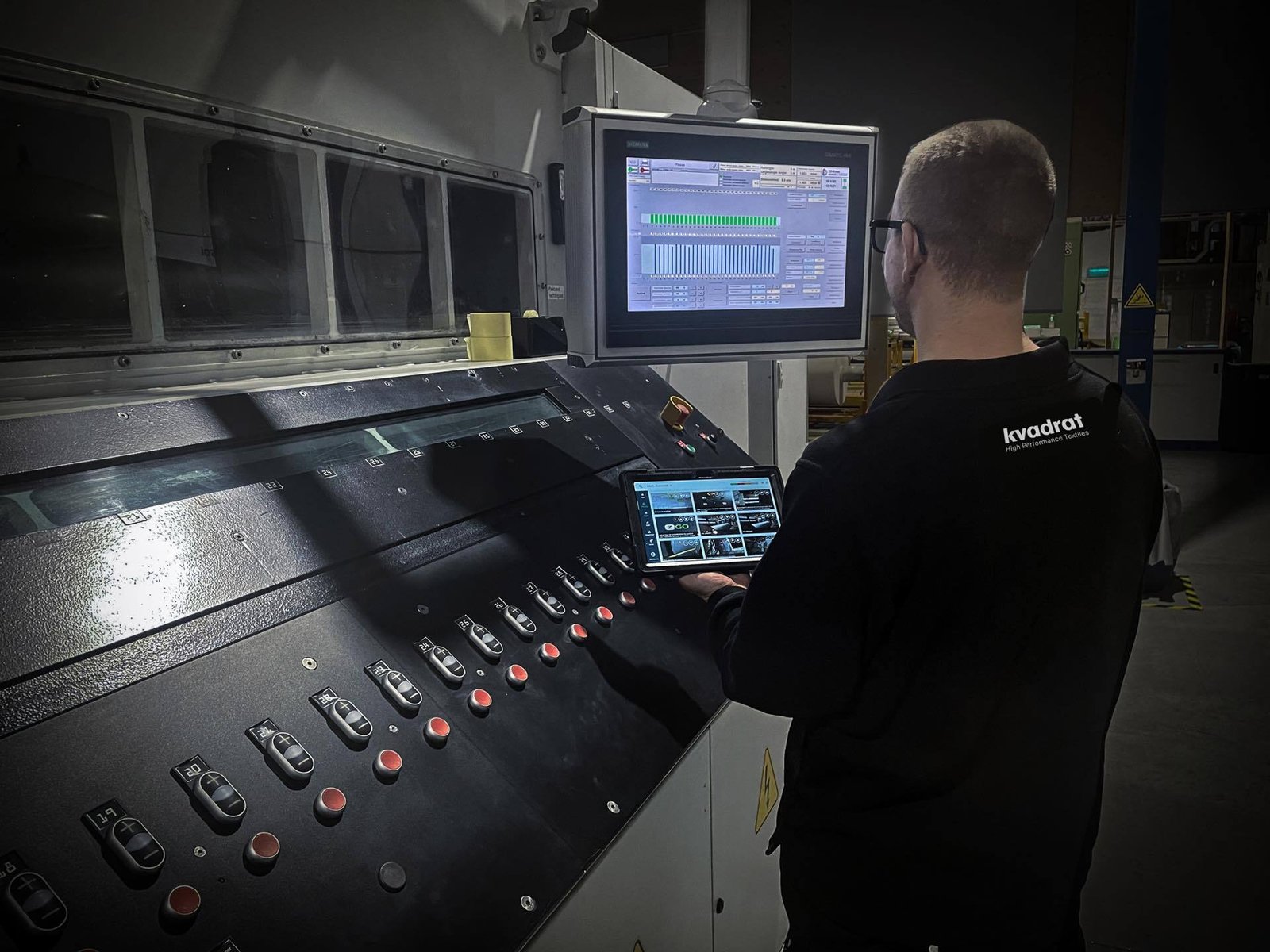
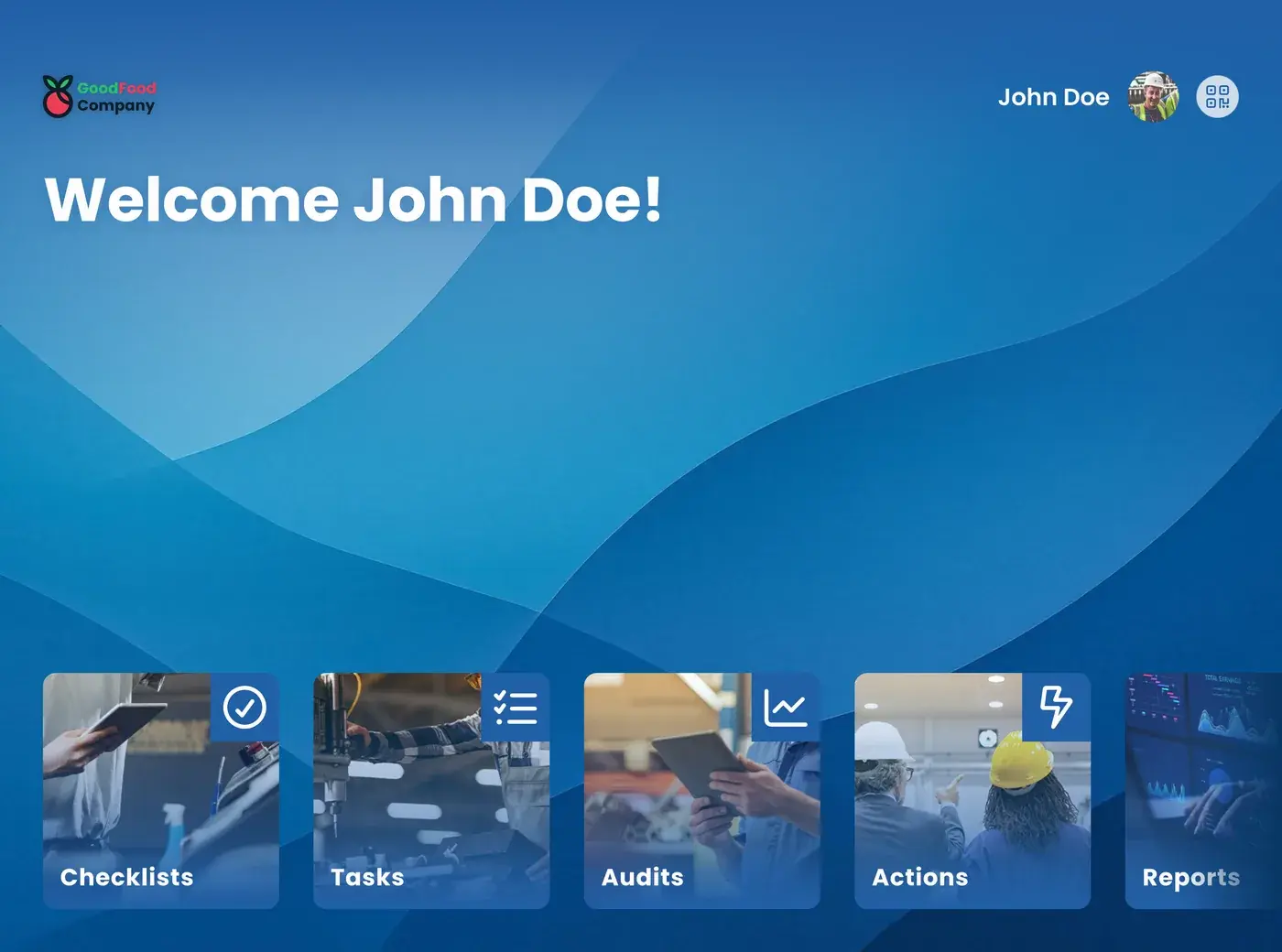
The EZ-GO platform gives operators a clear daily plan for first-line maintenance on a tablet at the line. And it makes sure that what they find reaches maintenance.
Trusted by
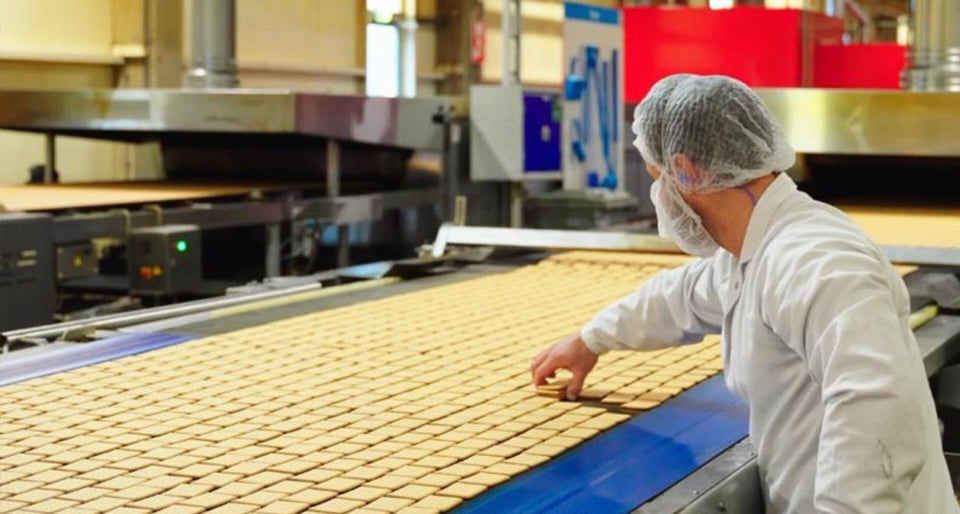
Most autonomous maintenance programs start with a lot of energy. The team cleans the machine, removes the sources of dirt, and agrees on a standard for every lubrication point. Then daily work takes over.
The standard sits in a document in the office, and how the round goes depends on who is on shift. The team leader collects the results at the end of the week and types them into a spreadsheet. A loose bolt that an operator noticed reaches maintenance days later, if it is passed on at all.
On a calm day shift, this works well enough. Then a new operator starts, an order runs late, or the night shift is one person short, and the lubrication round moves to "later." Nobody can see that it did not happen until the conveyor stops again.
The people at the line want to do it right. What they need is a system that makes first-line maintenance easy to do and easy to check, long after the kickoff. Read more about keeping machines safe, clean, and reliable after the start.
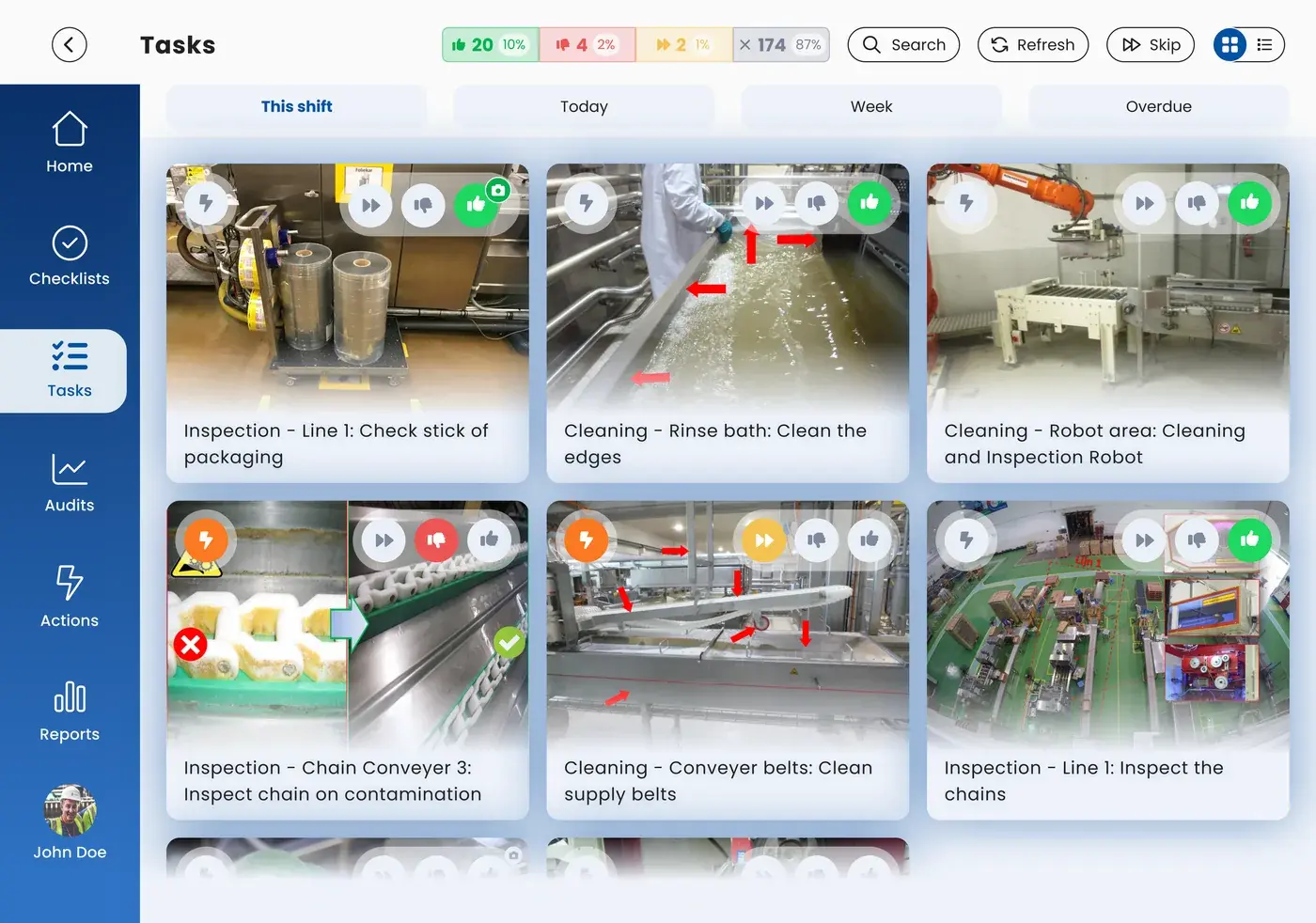
In the EZ-GO app, every cleaning, inspection, lubrication, and tightening task is planned for each line, machine, and shift, with its own frequency: daily, weekly, or monthly. Each task shows up at the start of the shift it belongs to. When operators log in, they see what to do today, where, when, and how, so they do not have to look for the standard or remember it. With a QR code on the machine, they open the right tasks and instructions in one scan. Many inspections can be done while the line is running, so the machine needs to stop less often for maintenance. Operators sign off each step on the tablet. A task that is not done stays visible as open, and the team leader can act before the shift ends, instead of after the next breakdown.
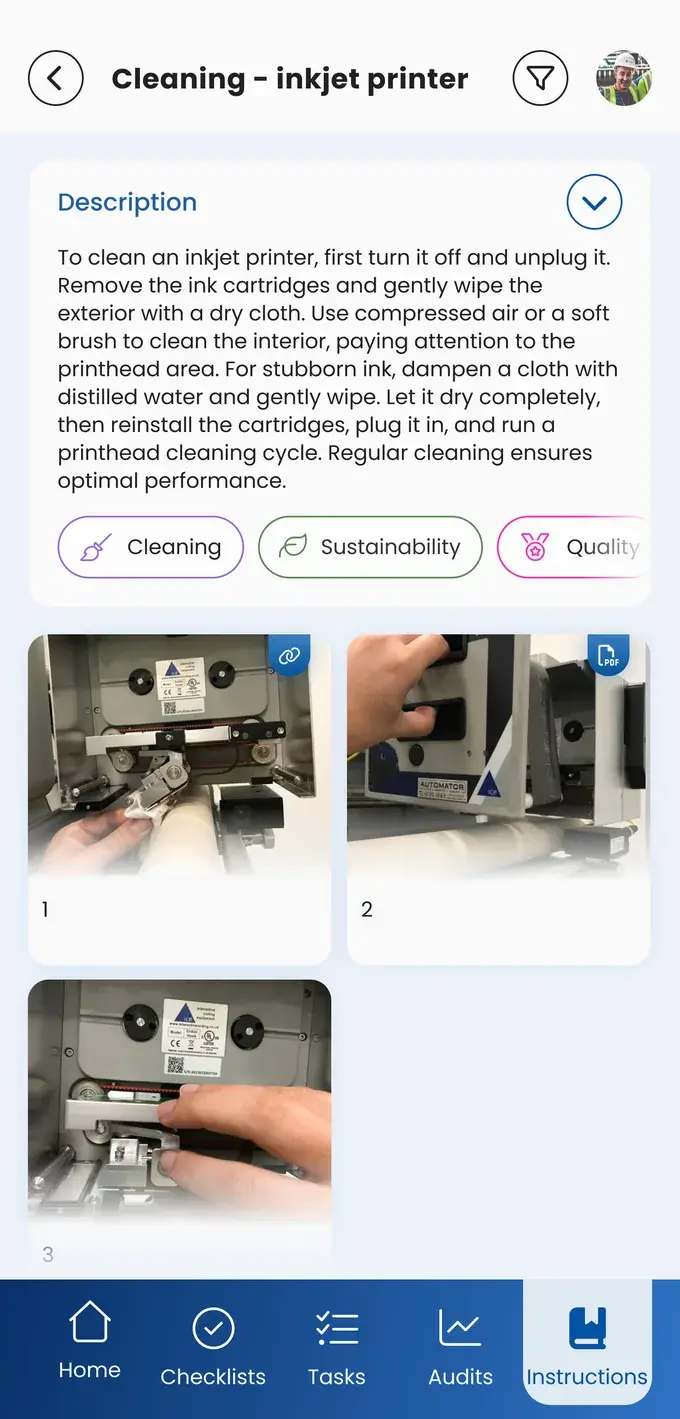
One operator lubricates eight points; the next one finds six. In the EZ-GO app, each task comes with visual instructions: photos and short videos that show the right way, made together with your maintenance technicians and most experienced operators. That is how technicians pass on their knowledge and can trust that the work is done the same way every time. New and temporary staff learn the standard at the machine, even when they do not speak the local language well. A photo confirms that the step was done the way you agreed. On the late shift, when maintenance has already gone home, a short video at the machine shows an operator how to solve a small problem the right way. The same works for short one-point lessons about a single task.
You build these standards step by step with CILT standards in the EZ-GO platform.
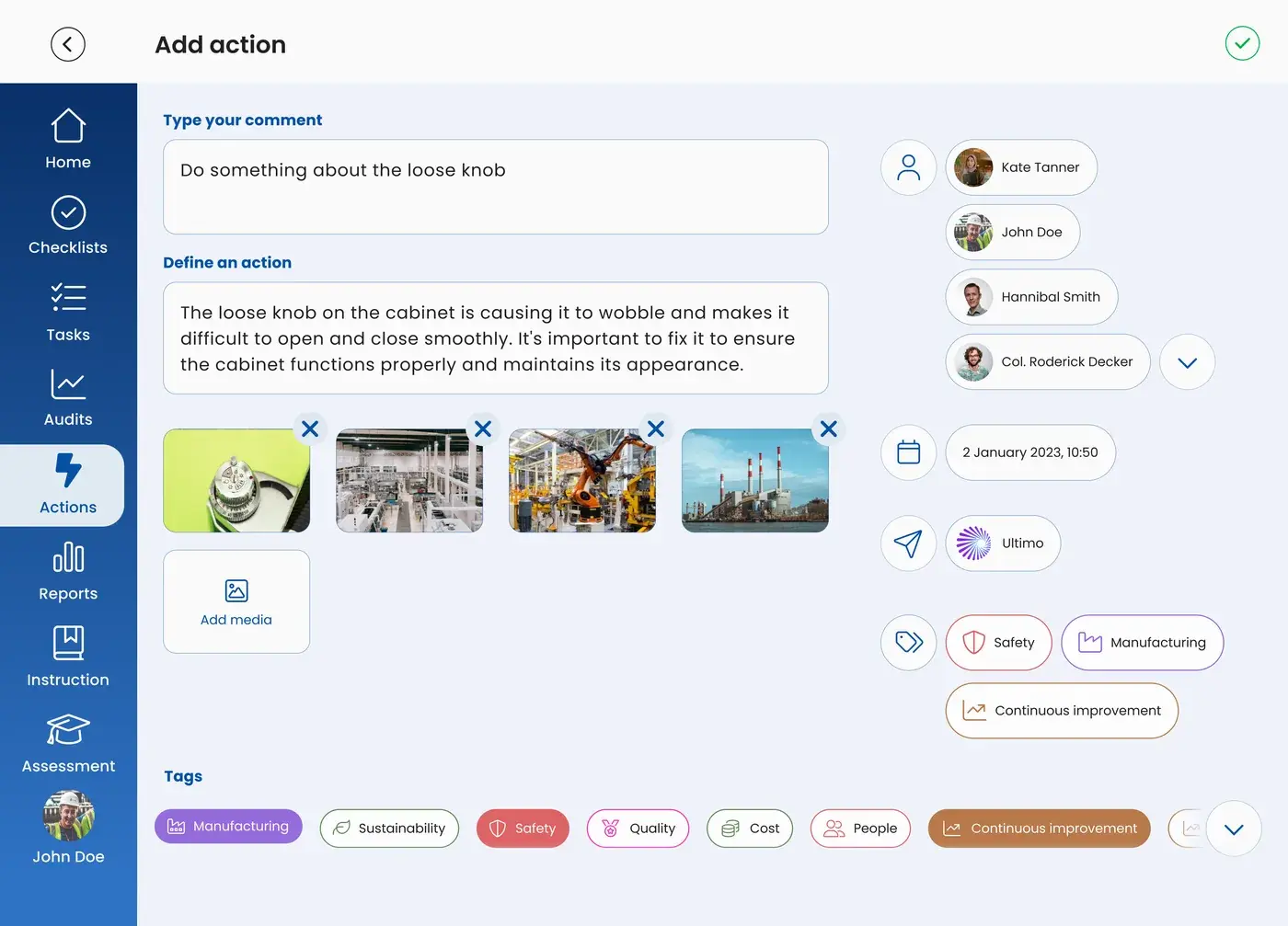
Operators are the first to notice when a machine changes. They hear an air leak, smell a motor that runs hot, and feel a vibration that was not there yesterday. When an operator finds something like this, or sees a leaking seal or a worn belt, he reports it in the EZ-GO app with a photo. Maintenance gets the details it needs to plan the repair, and the operator can see what happens to the report. That matters, because operators who never hear back stop reporting, and small defects grow into breakdowns.
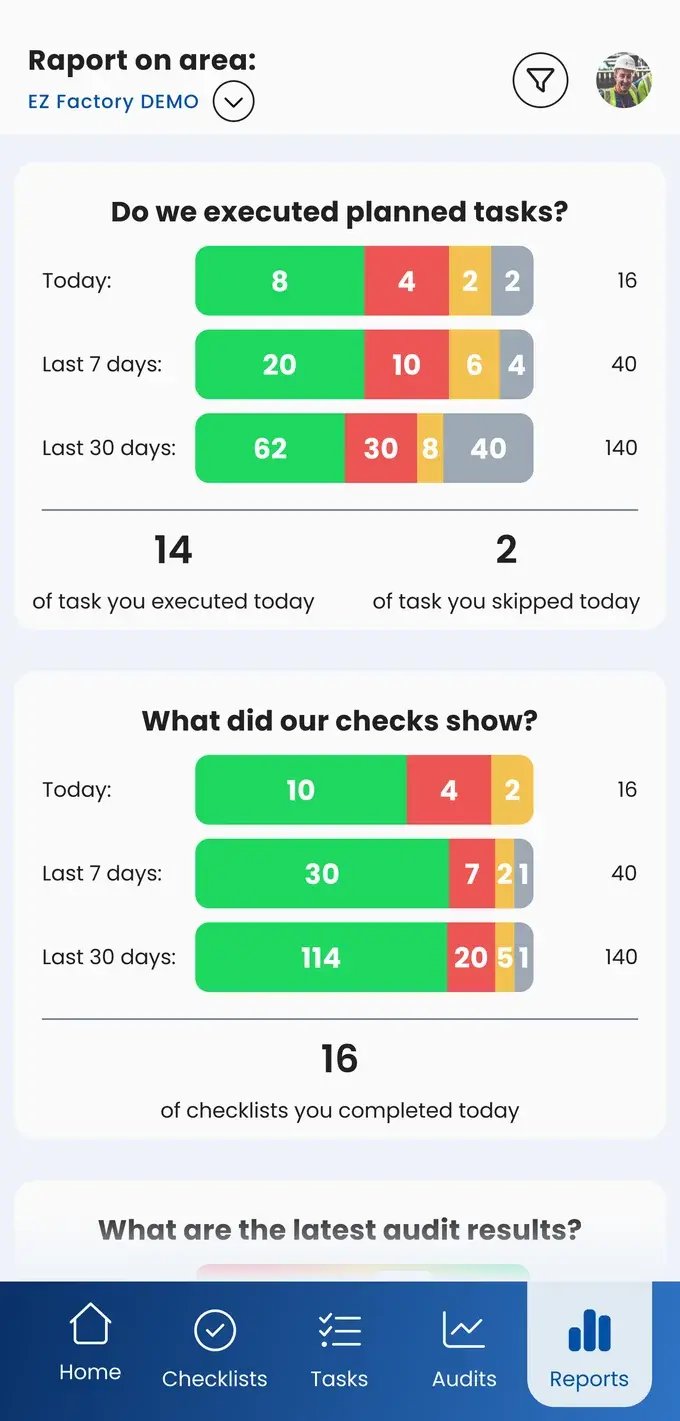
Team leaders see which tasks on each line are done, late, or open, and which reports still need action. Plant managers see the same overview across lines and shifts, together with the deviations that come back most often, so you know where a structural fix has the most effect. The skills matrix shows who is trained for which first-line maintenance task, so you do not assign an operator to a task he has not learned yet. More on this in skills and onboarding. And when an auditor asks for proof, the records are already there, with date, time, and photo, which also supports your audits and compliance.

Randy Appiah and Robert Bouwman founded EZ Factory in 2017, after years of seeing first-line maintenance and improvements fade on the factory floor.
“Autonomous maintenance may sound like a massive undertaking, but actually everyone is already doing it.”
Every team takes care of its machines in some way. The EZ-GO platform gives that care a structure that holds on every shift.